Validating Micro-SaaS Ideas With Existing Audiences
Existing audiences let founders spot real demand before building anything at all.

Validating micro-SaaS ideas with an existing audience starts with a simple advantage. The people who might buy are already describing their problems. The job is to turn those complaints into evidence, then payment, then a small product. An audience makes that process easier, but it does not make praise count as demand. Money and repeated use still decide whether there is a business.
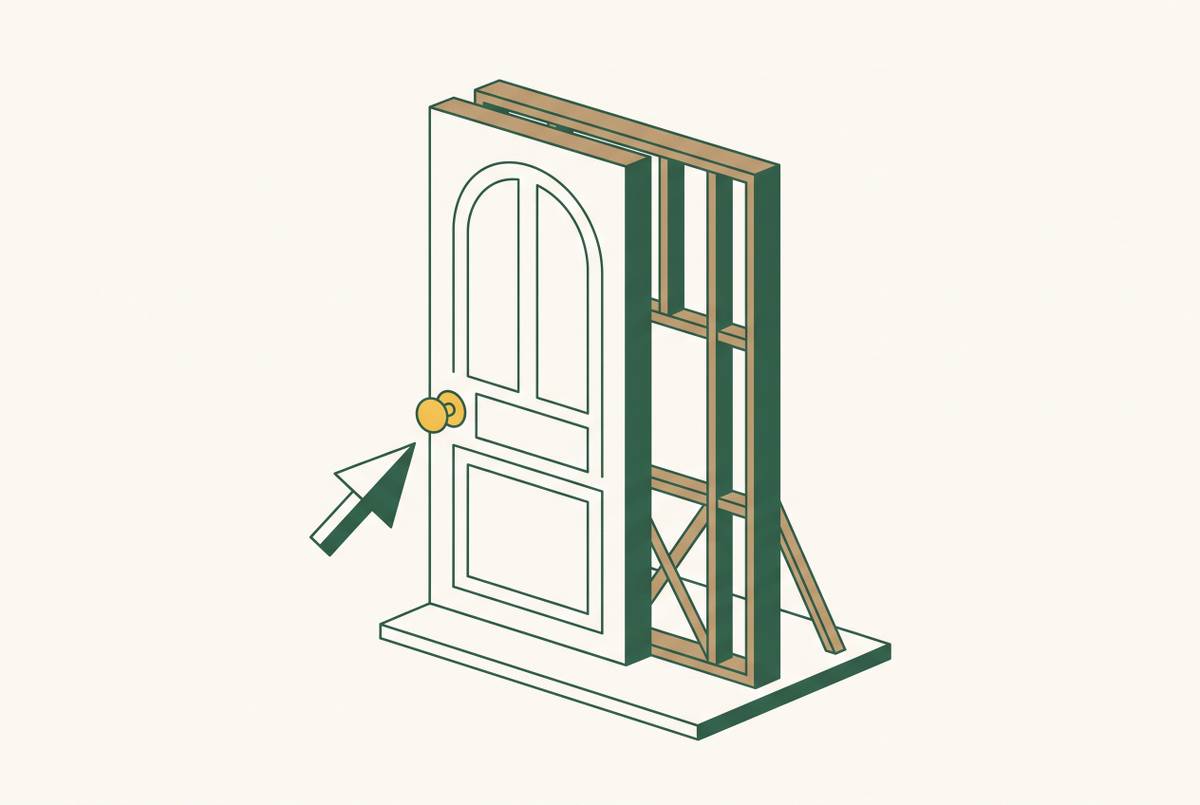
Why founders with existing audiences have a structural advantage that cold-start builders cannot replicate
A cold-start founder trying to reach ten qualified users must first find them, get their attention, and get them to talk. A newsletter owner or community manager already has a channel to those people and a history of what bothers them. The first conversation picks up from questions, replies, and complaints that have accumulated over months or years.
That history changes more than the cost of outreach. It sharpens product judgment because the founder can see who has a problem, how often it returns, and what people do about it. In 2026, AI-assisted build tools have reduced the time and cost of shipping, making that judgment the scarce resource.
Reaching ten to twenty target users for interviews and getting five actively testing is a much smaller recruitment problem when those people already know the founder. Their participation is not guaranteed, and neither is payment. But micro-SaaS needs buyers who can be reached and have specific problems that keep coming back, and an existing audience helps a founder see those needs.
How to read an existing audience for demand signals before running any experiment
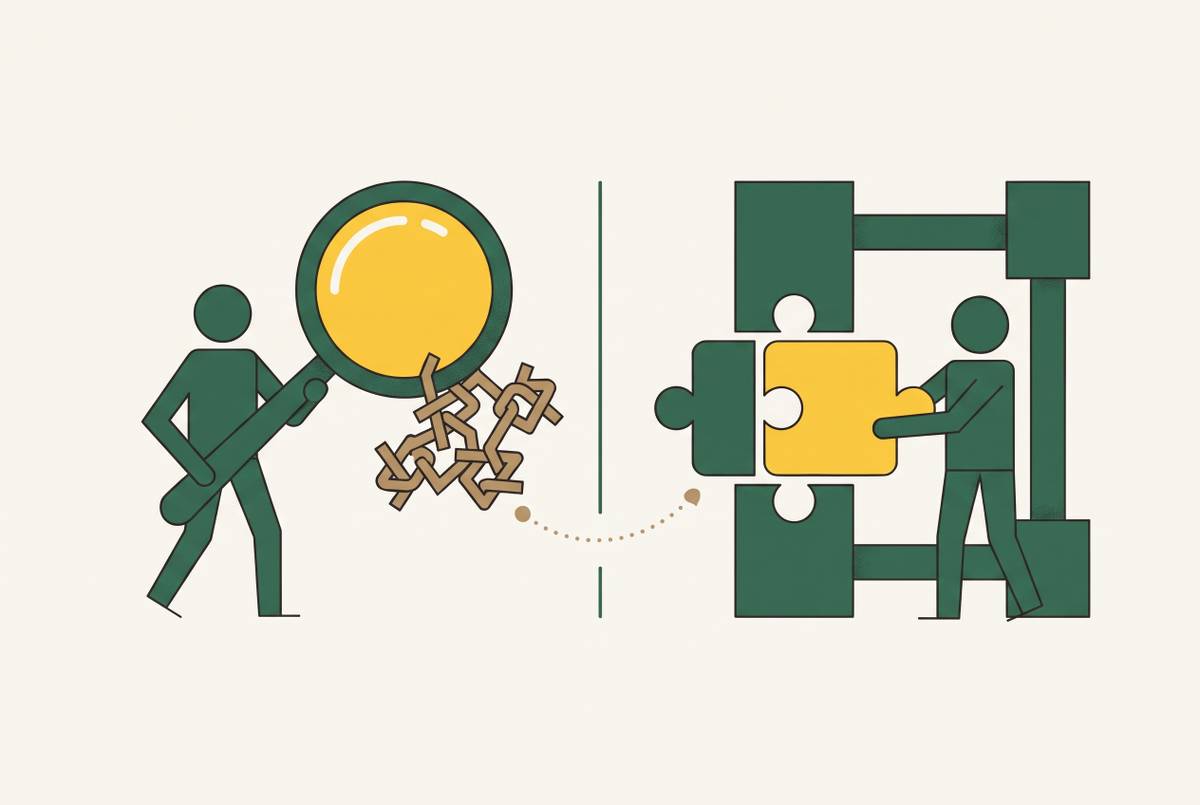
Start with what people have already said in reply threads, newsletter responses, and community posts. Look for the same question under different pieces of content, or for different members who complain about the same thing. One angry complaint may stand out, but when several people describe the same obstacle, there is more reason to look into it.
Read the workarounds as closely as the complaints. A spreadsheet, a VA, an awkward tool, or a freelancer doing the task by hand shows how someone gets the job done now. Looking at what people pay to do manually is especially useful because spending reveals a priority that polite interest cannot. An existing payment establishes that the problem already has a budget attached.
Then look for the event that brings the pain back. It might be a deadline, a reporting rhythm, or a compliance event. Recurrence is what makes a subscription plausible. A painful task that happened once is a different opportunity from one that interrupts work every week. But if an otherwise active audience never brings up the problem, take that silence as a sign that the idea may be wrong or that the audience may not be the right buyer.
Sharpening a raw signal into a testable problem hypothesis before touching a product
A repeated complaint needs a sharper statement before it deserves an experiment. The statement should name the buyer, the recurring trigger, and the current workaround. “Small newsletter operators spend hours each week coordinating sponsors through email and spreadsheets” gives a conversation something concrete to test. “Newsletter people have sponsorship problems” leaves too much undefined. The first can be challenged by what people actually do.
Write the problem hypothesis separately from the solution hypothesis. One describes what happens and why it recurs, while the other describes the capability that might remove the pain. Keep them apart until there is evidence that links them. Otherwise, a conversation that exposes a different problem can turn into an argument for the product the founder already wanted to build. Narrowness helps here because a small, specific claim can be confirmed or rejected quickly.
A brief competitor check can make that claim more precise. A competitor with paying customers shows that buyers understand the category and already spend money on it. If the founder uses the same tool their audience dislikes, those shared frustrations provide a concrete starting brief. Negative reviews on G2, Capterra, or Trustpilot can add detail about what needs to work differently. An empty market, by contrast, is not proof of an overlooked opportunity and may mean the pain is not worth paying to remove.
Running lightweight audience conversations that reveal willingness to pay, not just interest
Use the hypothesis to choose whom to contact, but do not lead with the proposed solution. Bring up a past reply or community exchange so the invitation picks up a conversation that has already begun. That context is the audience advantage in practice. It takes less time to reach ten to twenty target users this way, and they are more likely to reply than strangers asked to discuss an idea they have never heard of. Treat that range as a floor for finding patterns.
During each conversation, ask what the person currently does when the problem comes up and how often it happens. Ask about the last time it caused a real problem. Ask what that event cost in time or money. Then ask whether they have paid a person or a tool to help. Specific events are harder to mistake for enthusiasm. They show whether the complaint interrupts real work or merely sounds annoying in conversation.
Keep proposed features out of the way while the buyer explains the job. The language they use may differ from the founder’s hypothesis, and that difference is useful evidence. Someone volunteering that they would pay, or asking when paid access will be available, is a promising next step. It is not yet a sale. Enthusiasm for a free tool proves little about whether the same person will buy it.
Using a concierge pilot to confirm the workflow before automating anything
Once the conversations reveal a recurring job, offer to do it manually for a small group at a flat fee. This is the concierge pilot, where the founder performs the work that software may eventually handle. No code is needed to learn the workflow. The existing relationship makes the offer easier to discuss because the buyer already knows who is proposing to take the task off their hands.
For a newsletter audience, that could mean manually tracking and reporting sponsorship slot availability for five peers at a flat monthly fee. A community manager could write an email each week to report on DMARC failures across agency members’ domains. A creator could check peers’ affiliate links and report the broken ones through a paid subscription. Each turns a recurring complaint into a defined service that someone can buy now.
Charge for the pilot from the start. Free help tests whether people will take the help, but it leaves open whether they will pay to have the task done. Paid manual work produces two useful outputs at once, namely a revenue signal and a specification. Performing the job reveals which steps recur, which details customers depend on, and which awkward cases barely arise. For a solo founder, that is a better use of pre-build time than guessing at features and discovering the workflow after launch.
Pre-selling before building as the only validation that fully counts
Payment for the concierge service proves demand for the result, while willingness to pay for software that delivers it remains untested. A pre-sale tests whether they will pay before the product exists. It closes the gap between saying the idea sounds useful and paying for access. A free waitlist does not cross that gap.
Make the offer explicit about its early status. A founding customer can receive a lower price or direct influence over the product in exchange for paying before launch. The commitment could take the form of a deposit, a reduced lifetime or annual offer, or a pre-order with a defined delivery date. Honesty is the basis of the transaction. The buyer must know before paying that the software is not yet available.
Send the offer through the newsletter, community, or social channel where the relationship already lives. That trust makes it easier to ask for payment in advance than it is for a cold-start founder asking strangers. In 2026, when a build takes weeks, a short payment test is easier to justify and still needs to happen. Cheaper construction does not remove the cost of choosing the wrong problem, so the commitment should come before the build.
Matching the confirmed pain to a first product scope that ships in weeks, not months
After the pre-sale, use the paid manual workflow as the first product specification. The steps performed, in their actual order, for the problems that kept returning define the initial scope. Someone once saying that a feature sounds helpful is too little reason to add it.
Apply the same test to integrations and edge cases. An integration earns its place when paying pilot customers actually use the connected tool in the validated workflow. A rare exception should not displace the core action that appeared every time. This is where the manual phase pays off. It gives the founder a record of what the product must do, rather than a collection of suggestions with equal weight.
No-code and AI-assisted tools make a weeks-long build realistic for non-technical founders because they can generate app structures, backend logic, and workflows from plain-English prompts. Infrastructure choices can also shorten the gap between specification and release. A single environment for the backend, database, hosting, authentication, and integrations avoids stitching together services with separate bills and failure modes. Flat-rate infrastructure also makes costs easier to plan for than task- and activity-metered automation while revenue is still settling.
The next goal is a link that works and can be shared. It does not need every polish item before founding customers can react to it. Their use of that first version provides the next evidence, which is whether the paid promise becomes a routine.
Closing the loop: using the audience relationship to drive retention, referral, and the next iteration
Once founding customers have access, watch whether they return to the core action. Three users completing it more than once and one or two sharing the product with peers are useful behavioral thresholds. They show more than a curious first visit. When people keep using the product, it suggests that it is becoming part of their workflow, while a referral shows that someone thinks it fits another person’s work too.
Use the original channel to hear what breaks. A newsletter segment that asks founding customers for feedback, a community thread set aside for it, or a direct message thread keeps that exchange close to the relationship that led to the idea. The feedback channel is already in place. Within a niche, referrals from those customers can also become the main growth mechanism because recommendations travel among people with the same recurring job.
Let actual use guide the next iteration. Notice which features customers return to, which they ignore, and what they request after using the product. Adding a second feature before the core action retains users repeats the original mistake of building ahead of evidence. A product that clears these behavioral tests has a path toward meaningful monthly recurring revenue within the first several months, though niche size and pricing constrain its potential as well as product quality.
The audience relationship also helps distinguish weak execution from a niche with limited demand. That distinction becomes clearer as the founder compares what customers say with what they use and buy. The advantage compounds through each completed cycle. The original signal, the pre-sale, the launch, and the next iteration all pass through the same trusted channel, creating a moat that a cold-start competitor with the same technical tools cannot quickly reproduce.